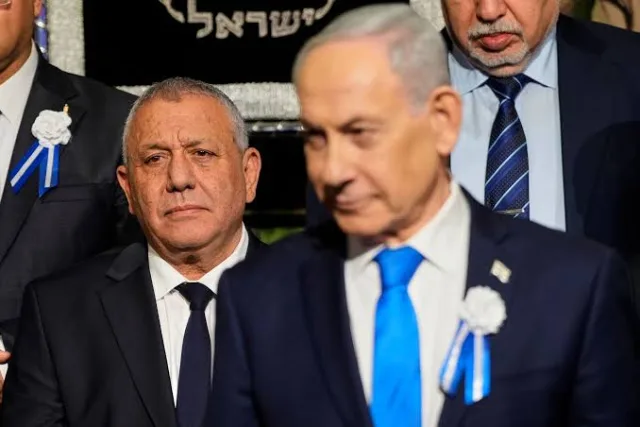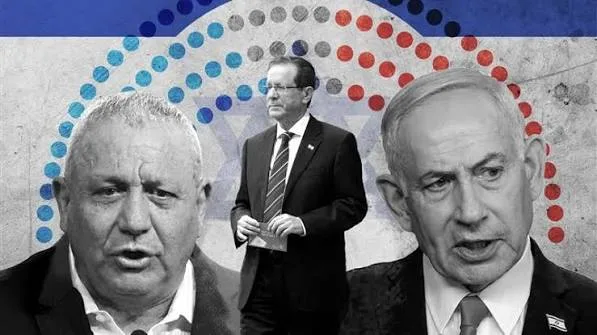
Israel's election has produced no winner. With more than 99 percent of Tuesday's ballots counted, Prime Minister Benjamin Netanyahu's bloc stands at 53 seats in the 120-seat Knesset, the opposition bloc led by former army chief Gadi Eisenkot at 48, and the Arab-led parties at 19. A majority needs 61, and the provisional figures can still move until the results are certified, which must happen by 4 November. The new Knesset is due to be sworn in on 10 November.
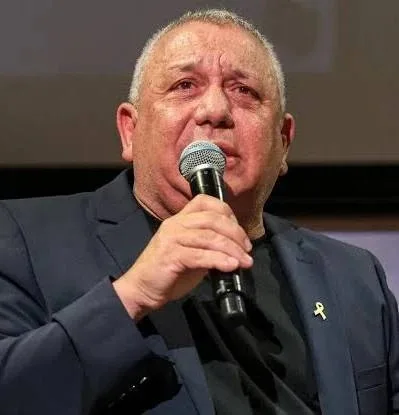
The Arab parties, whose seats are split between the Joint List and Ra'am, are now the hinge. Ra'am, led by Mansour Abbas, is projected to hold seven of the 19. Eisenkot has said he will not partner with them, and several opposition leaders have said they will not sit in a government that depends on them. Yair Golan of the Democrats is the one opposition leader open to that arrangement. He has met Abbas, and has also met Eisenkot, who in turn met Naftali Bennett of Beyachad to talk about forming a government as quickly as possible. Without Arab support the opposition cannot reach 61.
Fraud claims without public evidence
Netanyahu's Likud responded by saying the election had been stolen by Arab parties that support terrorism. A post by the party, which Netanyahu repeated, alleged bribery, threats, violence, forged documents and the use of prohibited software to mobilise voters. No evidence has been made public. Netanyahu also asked why Ahmad Tibi, a senior Arab politician, travelled to Qatar four days before the vote, though nothing has been shown to link the trip to wrongdoing. Two Netanyahu aides were arrested last year on suspicion of taking payments from Qatar.
Qatar's foreign ministry spokesman, Majed Al Ansari, called the accusations ridiculous and dangerous. The head of the Central Elections Committee, Noam Sohlberg, did write to the Shin Bet to say he had received serious suspicions of foreign interference, which he said he could not verify, and asked the agency to investigate. The request did not single out Arab-led parties, and the committee said it knew of no basis for claims of systematic violations of election integrity. The Joint List rejected the allegations as an effort to discredit Arab voters. Abbas welcomed an investigation and said his party had no connection to the claims. President Isaac Herzog called for a full investigation and warned against stigmatising Israel's Arab citizens.
What comes next
After certification Herzog will consult the factions and decide whom to ask to form a government. A caretaker Netanyahu stays in office meanwhile. If several attempts fail, Israel could be heading to another election early next year. One analyst has suggested the opposition might try to replace the Knesset speaker, who is close to Netanyahu, as a first test of its numbers.
The coming days will show whether the opposition can find a route to 61 that its own leaders have so far ruled out, and whether the interference inquiry produces anything beyond the suspicions already stated.