The head of Israel's Central Elections Committee, Noam Sohlberg, said in a video statement on Sunday that the results of last week's vote would stand even if suspicions of foreign interference were proven. He spoke alongside the head of the Shin Bet security service and the attorney general, and said such findings would not undermine the integrity of the process or the overall outcome.
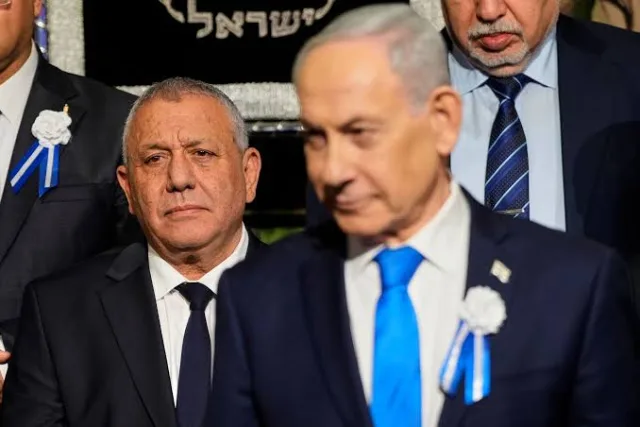
The statement answered claims by Prime Minister Benjamin Netanyahu's Likud party, which questioned the result and alleged, without evidence, that Arab-led parties stole the election and took funding from Qatar to do it. Those parties made large gains in the vote. Qatar rejected the allegation and called it a disinformation campaign.
The arrests
Police arrested three political activists before polling stations opened, carrying envelopes of cash that police said were meant to bribe voters. On Sunday police released two of them, one under unspecified conditions and the other held under house arrest. Police said the suspects were linked to Ra'am, an Arab-led party that won eight seats. Its leader, Mansour Abbas, condemned the arrests as undemocratic and said they were an attempt to sway the outcome.
The numbers
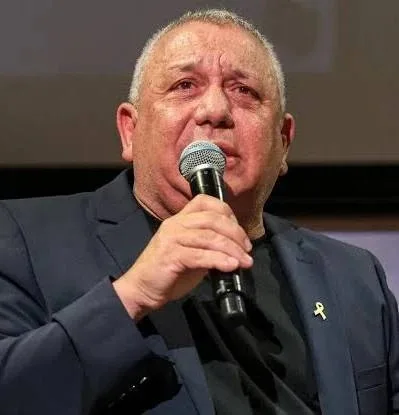
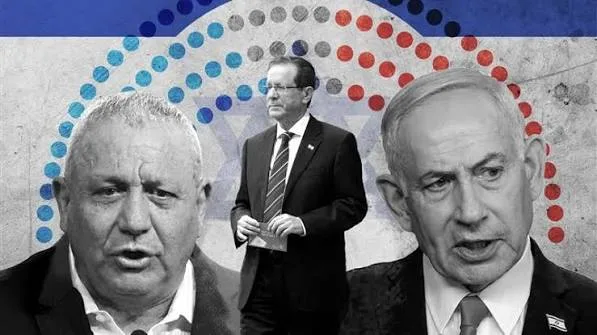
In the 120-seat Knesset, Netanyahu's bloc won 53 seats and the opposition bloc led by Gadi Eisenkot won 48. Three Arab-led parties, including Ra'am, took a record 19. Neither Jewish bloc can govern alone. A coalition of Eisenkot's bloc with the Arab parties would hold 67 seats, but Eisenkot ruled that out before the vote and many in Israel regard such a partnership as politically unacceptable. He has accused Netanyahu of running a coordinated campaign to discredit the result.
What happens next
The result is expected to be certified this week, with the new Knesset sworn in on 10 November, though coverage gives conflicting dates for certification. President Isaac Herzog then chooses a candidate to try to form a government, with 28 days for the attempt and a possible 14-day extension. Options include a unity government, which Herzog has said he would push for, a minority government backed from outside, or an arrangement with alternating prime ministers. If all attempts fail, the Knesset is dissolved and a new election must be held within 90 days. Netanyahu stays as caretaker until then.