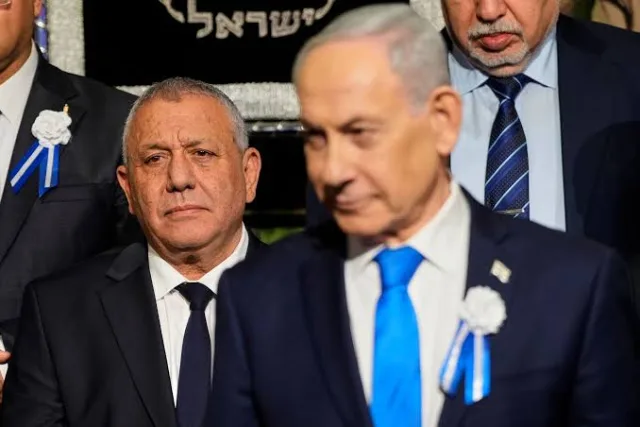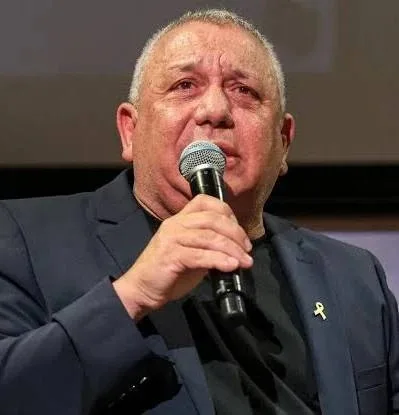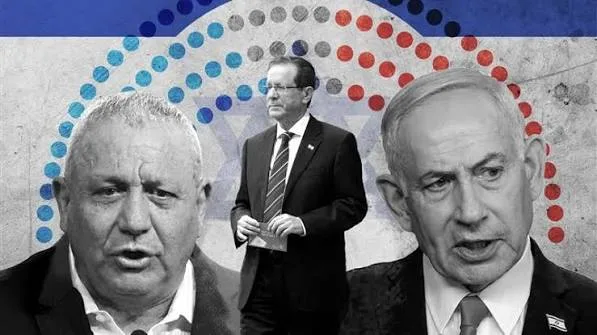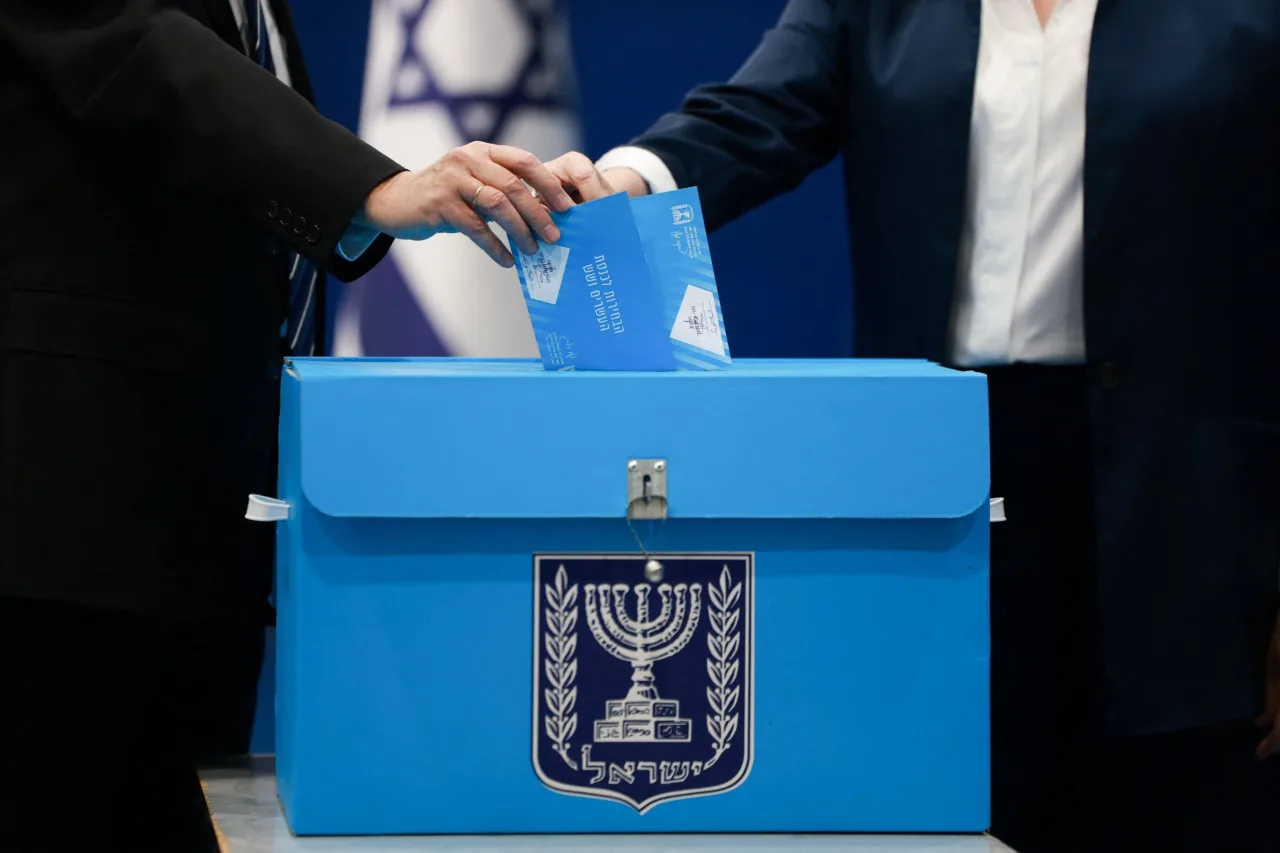
Israel's election count has left Prime Minister Benjamin Netanyahu's bloc ahead of its rivals but well short of a governing majority, and the final seat tally is still waiting on ballots cast by soldiers and other absentee voters. With roughly 93 percent of polling stations counted on Thursday 29 October, Netanyahu's right-wing and religious parties held 53 of the Knesset's 120 seats, the bloc around former army chief Gadi Eisenkot held 48, and the Arab parties held 19. A majority needs 61.
Likud is the largest party on 26 seats. Its allies hold 27 between them: United Torah Judaism, Shas and Itamar Ben-Gvir's Otzma Yehudit have seven each, and the Religious Zionism list has six. On the other side, Eisenkot's Yashar! has 21, Naftali Bennett's Beyachad 12, Yair Golan's Democrats eight and Avigdor Liberman's Yisrael Beytenu seven. The Joint List and Ra'am together account for the 19 Arab seats, although the split between them changed from one update to the next. Two smaller lists, one led by Ofer Winter and one by former minister Yoaz Hendel, fell below the 3.25 percent threshold. Several exit polls broadcast on election night on Tuesday had put the Eisenkot bloc narrowly ahead, at about 52 seats against 50, so the count has reversed the early picture.
The ballots still to come
More than half a million double-envelope ballots were excluded from the figures. They are cast by soldiers, hospital patients, prisoners and certain election workers outside their home polling stations, and they can move seats at the margin. An official of the election committee said the counting began around midnight on Wednesday and should finish on Thursday evening, with further checks planned for the following week. Nothing has been certified.
Arithmetic that no one likes
Neither camp reaches 61 without the Arab parties. Eisenkot has refused to serve under Netanyahu, including in a rotation arrangement, and Liberman has ruled out a minority government. Joint List chairman Yousef Jabareen and fellow leader Ahmad Tibi have signalled that they would use their seats to help remove Netanyahu. Golan has urged the opposition to build a government with Arab support, while other opposition leaders have said they will not join any government that includes Arab parties. Netanyahu has appealed for unity among Zionist parties and thanked his outgoing coalition partners.
What the law requires next
President Isaac Herzog must consult the Knesset factions before deciding who gets the first chance to form a government. He has urged politicians to keep an open mind and avoid a repeat election. Until a government is sworn in, Netanyahu remains caretaker prime minister. A caretaker keeps formal powers but is expected to show restraint on major decisions, and any military action needs the approval of the government or the security cabinet.
A minority government that survives confidence votes with Arab backing is one possible route, though it faces objections inside the opposition. If no coalition can be assembled, the country could be sent back to the polls. The immediate questions are whether the soldiers' ballots change the seat totals and which leader the president asks to try first.