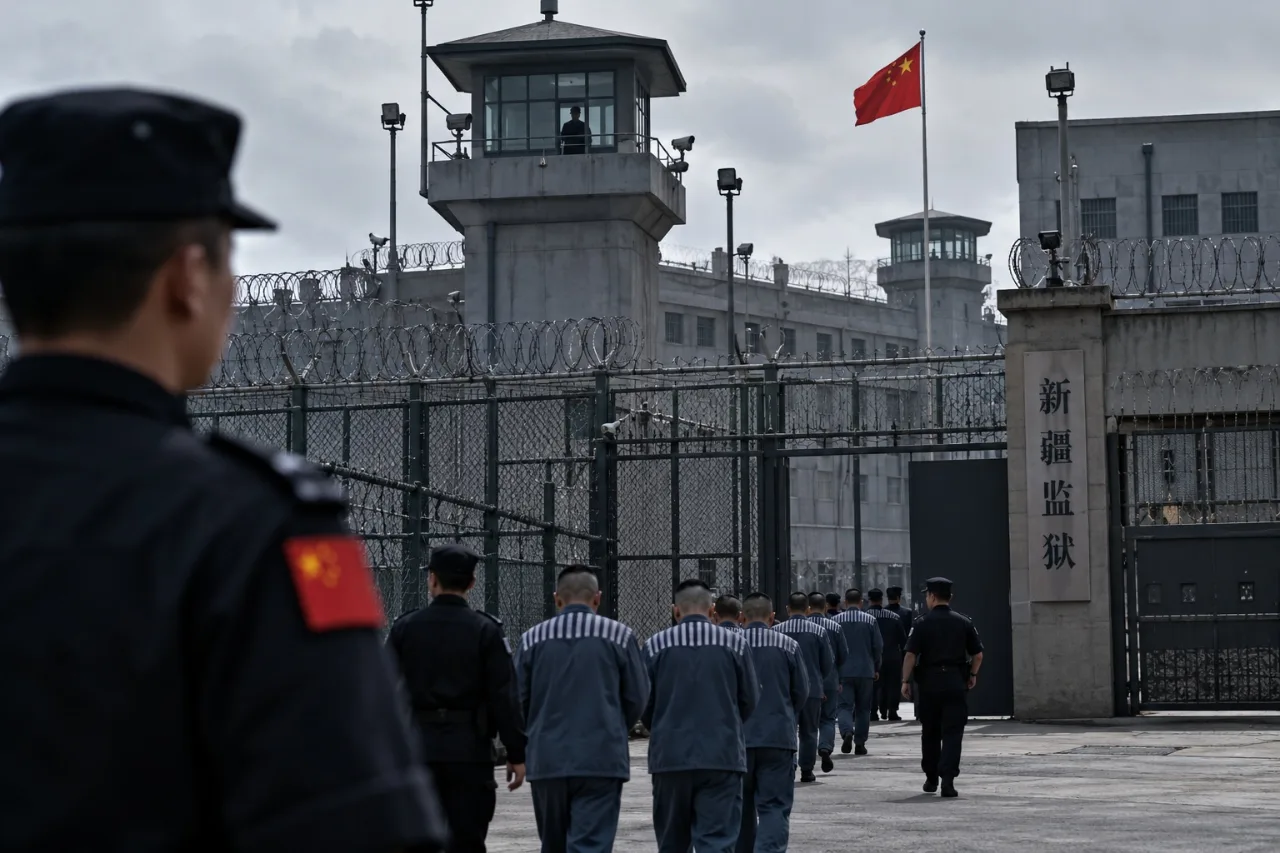
Shi, 67, died while serving a three-year sentence after Chinese authorities accused him of providing foreign media with information about protests by farmers in Xinjiang. According to the Chinese Human Rights Defenders (CHRD), authorities at Shahe prison informed his family that he had died of a heart attack.
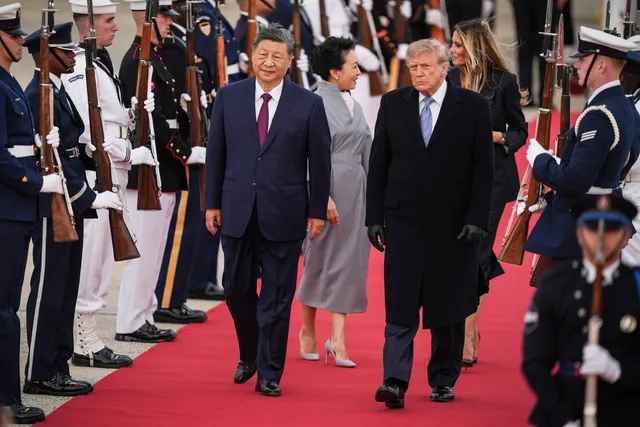
His death came as Chinese President Xi Jinping was in the United States for talks with President Donald Trump, where trade, artificial intelligence, Taiwan and international conflicts were among the issues under discussion. The case has again highlighted the place of human rights concerns in China's broader diplomatic engagements.
Questions Over the Circumstances of His Death
Shi was reportedly convicted of “picking quarrels and provoking trouble”, a charge that has been used in cases involving political and social dissent in China. His sentence was due to end in January 2027.
CHRD has not established that inadequate medical treatment caused his death. It has, however, called on Chinese authorities to provide his family with detailed information, including medical records, details of treatment requested or received, and access to his body. The organisation has also called for an independent investigation.
The questions are significant because Shi reportedly had several health conditions, including hypertension, pneumonia and asthma. His lawyer reportedly observed a deterioration in his health during a meeting at the Aral City Detention Centre in April 2024.
His family, however, said that during a more recent visit he appeared to be in good health and did not complain of physical problems. The differing accounts have added to questions about the circumstances of his sudden death.
Decades of Activism
Shi's political activism stretched back decades. A former electronics factory worker in Nanjing, he supported the pro-democracy movement associated with the 1989 Tiananmen Square protests.
After losing his job in the 1990s, Shi became increasingly active online, advocating freedom and democracy while raising allegations of official corruption. He reportedly participated in demonstrations marking anniversaries of the 1989 crackdown and expressed support for democratic developments in Taiwan.
His activities also included support for detained human-rights lawyers and families of political prisoners. He was repeatedly arrested before his final detention in Xinjiang in January 2024.
Authorities accused him of providing foreign media with information about protests by fruit farmers in Aral against the Xinjiang Production and Construction Corps, a state-controlled organisation with extensive agricultural and administrative responsibilities in the region.
Reports said authorities initially accused Shi of “spreading and promoting terrorism and extremism”. He was also reportedly denied timely access to legal counsel.
Medical Care Behind Bars
Shi's death has brought renewed attention to concerns raised by human-rights organisations over medical treatment for prisoners of conscience in China.
CHRD has documented cases in which it says prisoners did not receive adequate medical care, including cases involving deaths in custody. The organisation has characterised denial of necessary treatment as potentially amounting to torture, a description disputed by Chinese authorities.
In Shi's case, the central issue is whether his reported medical conditions were properly managed during his imprisonment and what treatment he received before his death.
Without comprehensive medical records or an independent examination, the precise circumstances cannot be conclusively established.
A Broader Test of Transparency
Shi Tingfu's death illustrates the risks faced by Chinese activists who challenge official narratives, advocate political reform or communicate information to foreign media. His case also underscores the concerns surrounding broad criminal provisions used against dissenting voices.
For his family, however, the issue is more immediate. They are seeking to understand how a 67-year-old prisoner with known health problems died while in state custody.
Chinese authorities have attributed his death to a heart attack. CHRD has called for greater transparency and an independent investigation.
The circumstances surrounding Shi's final days may remain contested unless authorities provide comprehensive medical documentation and allow meaningful independent scrutiny. Such disclosure would not only address the family's questions but would also help establish whether his medical needs were adequately addressed while he was in detention.