Speaking at the Energy Intelligence Forum in London on Monday, Nasser said the world entered the current crisis with almost 10 billion barrels of oil in stock. But fewer than 6 billion barrels of commercial inventories now remain, and much of that volume cannot readily be brought to market. More than 1 billion barrels have already been drawn down to compensate for disrupted supplies. Business Standard
The warning matters because oil markets do not operate on the basis of headline inventory numbers alone. Where those barrels are located, whether they can be transported and how quickly they can reach refineries and consumers determine whether they constitute a meaningful emergency buffer.
Nasser described onshore commercial stocks as the “last major tool in the box”. Governments in some of the world’s largest economies have announced plans to release up to 100 million barrels of emergency oil and diesel reserves, but the Aramco chief said such measures could provide only temporary relief rather than resolve the underlying imbalance between supply and demand. Business Standard
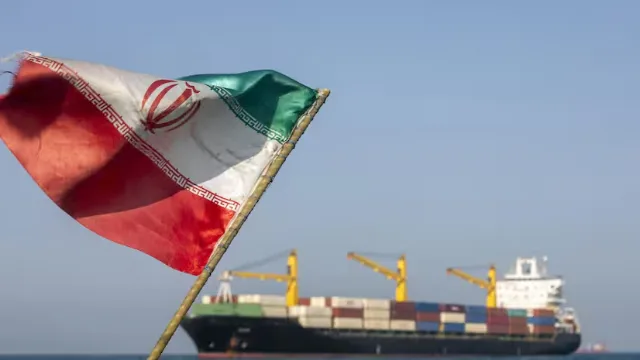
The immediate pressure is concentrated around the Strait of Hormuz, where disruption has constrained the movement of crude and refined products from the Gulf. The waterway remains only partly accessible, while producers and traders have been forced to find alternative ways of moving supplies.
The consequences are already visible in energy prices. Brent crude has traded around $100 a barrel over the past month as markets continue to price the risks surrounding Gulf and Red Sea supply routes. Refined fuel prices have risen even more sharply, according to Nasser.
That distinction is important for consumers. A shortage of crude does not necessarily translate into an identical shortage of petrol, diesel or other refined products. Refining capacity, shipping availability and the location of usable inventories can create additional bottlenecks between the oilfield and the fuel pump.
The crisis is also exposing the limitations of emergency reserves. Strategic stocks are designed to cushion temporary disruptions, not permanently replace lost production or transport capacity. Once governments begin drawing them down, the remaining buffer becomes progressively more valuable—and the ability to replenish it becomes a central concern.
Nasser estimates that rebuilding global inventories could take as long as two years even after the Strait of Hormuz is fully reopened. He said the world would need at least 2 million barrels per day of additional demand for 18 months to restore depleted stocks while continuing to meet consumption. He also expects crude demand to remain broadly stable over the next two years if conditions normalise. Business Standard
That timeline changes the nature of the crisis. The issue is no longer simply whether oil can move through Hormuz tomorrow. It is whether the global market has enough spare capacity, shipping flexibility and physical inventory to withstand another disruption before existing stocks can be rebuilt.
Saudi Arabia is already adapting.
Aramco has increased shipments from its Ras Tanura export terminal and restored flows through its East-West pipeline to about 80% of capacity after a temporary shutdown following an attack. The restored pipeline gives the company greater ability to move crude towards the Red Sea and reduce its dependence on Persian Gulf routes.
Nasser said Aramco is also examining additional export routes and overseas storage facilities. The company is using ship-to-ship transfers and is working on what he described as fourth and fifth export routes.
The broader Gulf energy industry is pursuing similar workarounds. Saudi Arabia, the United Arab Emirates and Kuwait have used their own tankers to move crude despite disruption around Hormuz. Oman, meanwhile, is expanding storage capacity outside the strait as Gulf producers seek alternative routes and greater logistical flexibility.
Yet these measures cannot instantly recreate the capacity lost through a strategic chokepoint.
The latest disruption has also exposed a structural vulnerability in the global energy system: a market can have billions of barrels recorded as inventory and still face a severe physical shortage if a large portion of those supplies is inaccessible.
For India, one of the world’s major oil importers, that distinction carries particular significance. The country’s exposure is not determined only by the global price of crude. Freight rates, insurance, refinery feedstock availability and the reliability of shipping routes can all influence the eventual cost of imported energy.
The immediate question is therefore not whether the world has oil. It does.
The harder question is how much of it can actually reach consumers when major routes are disrupted.
Nasser’s warning suggests that the margin for error has narrowed considerably. Emergency reserves can buy time. Alternative pipelines and shipping routes can reduce dependence on vulnerable waterways. Higher production can provide additional relief.
But rebuilding the global cushion is a slower task.
Until the Strait of Hormuz is fully reopened and confidence returns to the market, the world’s oil system will remain exposed to disruptions that once might have been absorbed more comfortably.
The barrels still underground may be plentiful. The barrels the world can actually use are the ones that matter.