Pakistan’s decision to impose emergency rule in Khyber Pakhtunkhwa has brought the province’s Pakistan Tehreek-e-Insaf (PTI)-led government to an abrupt end, placing its administration under federal control amid escalating militancy and a bitter political confrontation with Islamabad. The move, authorised by President Asif Ali Zardari on October 11, raises questions about the use of extraordinary constitutional powers against a provincial government led by the party of jailed former prime minister Imran Khan.
The federal government has justified the intervention by citing worsening security conditions and an alleged breakdown of constitutional governance. Under the proclamation, Chief Minister Sohail Afridi, provincial ministers, advisers and other political appointees must vacate their offices, while the governor assumes executive responsibilities under federal directions.
The intervention represents a direct assertion of Islamabad’s authority over a province where the PTI retains a powerful political base. It also comes as the party intensifies its campaign for Khan’s release, linking the struggle over his imprisonment to broader allegations of political interference and restrictions on its activities.
The government of Prime Minister Shehbaz Sharif has accused the provincial administration of failing to respond effectively to militant violence. Officials argue that inadequate coordination and insufficient action against armed groups have undermined counterterrorism efforts. The federal government has also pointed to financial assistance provided to the province, arguing that substantial transfers have not produced the security improvements it expected.
Those allegations remain contested. The PTI has blamed Islamabad for failing to provide the resources and support needed to tackle militancy and has rejected the suggestion that the provincial administration is responsible for the wider security crisis. The competing claims highlight a central difficulty in Pakistan’s response to violence in its northwestern regions: federal and provincial authorities are increasingly divided over responsibility, policy and political control.
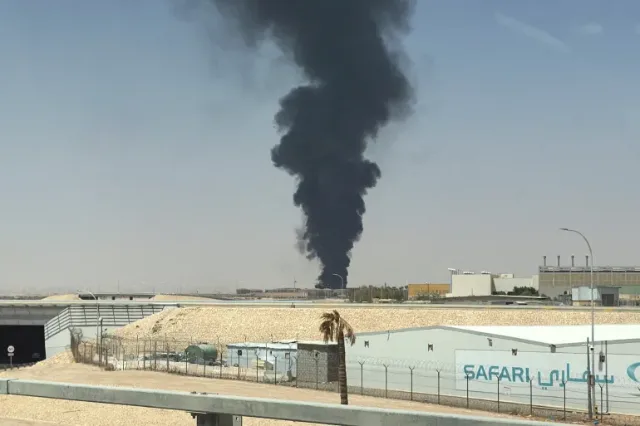
Khyber Pakhtunkhwa has experienced repeated attacks on security personnel and government targets, with Pakistani authorities frequently attributing the violence to the Tehreek-e-Taliban Pakistan. The security situation has placed sustained pressure on local administrations and law enforcement agencies. Yet the imposition of emergency rule does not, by itself, establish that transferring political authority to Islamabad will improve operational effectiveness or reduce attacks.
The constitutional basis for the intervention is also likely to attract scrutiny. The proclamation invokes Articles 232 and 234 of Pakistan’s Constitution, provisions concerning emergency conditions and the exercise of provincial functions. The practical scope of the federal government’s authority, the duration of the arrangement and the extent to which provincial institutions retain meaningful autonomy will be central to assessing its consequences.
The decision comes amid an escalating dispute over Khan, who has been imprisoned since 2023 and faces multiple criminal cases, including corruption-related charges. Khan denies wrongdoing, while the PTI describes the proceedings against him as politically motivated. The authorities reject the party’s broader allegations of political persecution.
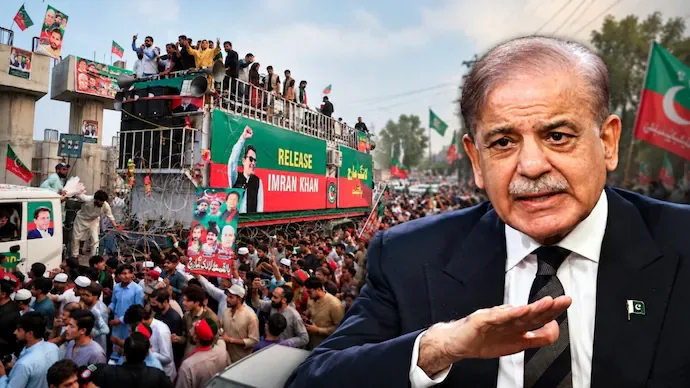
Afridi’s protest campaign has added urgency to the confrontation. PTI supporters have demanded Khan’s release, access to medical treatment and meetings with his family and legal representatives. The party had planned to take its demonstration to Islamabad for a sit-in, but the federal government opposed the march and warned that protesters would not be permitted to enter the capital.
Negotiations between the government and the PTI failed to resolve the dispute. Efforts to secure mediation through political figures also produced no breakthrough. As the confrontation deepened, authorities tightened security around Islamabad, using roadblocks and other measures to restrict access to key areas. Reports of detentions among PTI activists and members of Khan’s family have further heightened tensions.
The emergency therefore comes at the intersection of two crises that Islamabad has struggled to separate: persistent militant violence and the unresolved political conflict surrounding Khan. The federal government presents the intervention as a response to administrative failure and deteriorating security. The PTI sees it as an assault on its elected provincial authority.
Both questions will now shape the political fallout. If federal control fails to produce measurable improvements in security, the government will face questions about whether the intervention addressed the causes of violence or merely changed who administers the province. If the emergency is used to restrict political opposition or prolong federal control, concerns about provincial autonomy and constitutional accountability are likely to intensify.
For Khyber Pakhtunkhwa, the immediate consequence is the removal of its elected political leadership and a further concentration of authority in Islamabad. Whether that arrangement strengthens the state’s response to militancy or deepens Pakistan’s political polarisation remains to be seen.