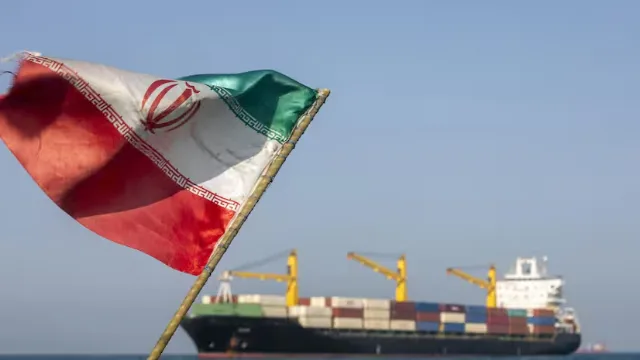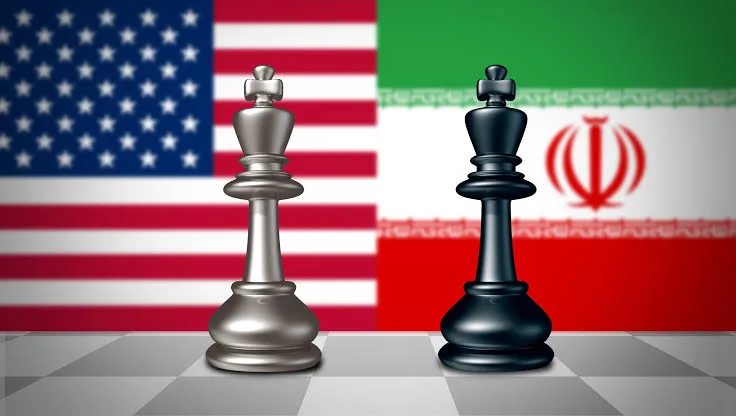
The United States says its attacks and naval blockade of Iran's southern ports are hurting Tehran badly, while Iranian officials reject claims that the economy is close to collapse. US Central Command chief Brad Cooper said the pressure has prevented at least $25 billion of Iranian crude exports and helped freeze about $350 million in cryptocurrency. He also said Iran-aligned militias are withholding their own fighters' pay to send money to the Revolutionary Guards, which he said are not paying their own troops either. These are US assertions and have not been independently confirmed.
Talks and shipping
Secretary of State Marco Rubio said reaching a peace deal with Iran is extremely difficult and that economic pressure will continue until Tehran stops attacking commercial shipping in the Strait of Hormuz. Foreign Minister Abbas Araghchi said the strait will stay closed until Washington accepts Iran's conditions, and that indirect talks continue through Pakistan and Qatar. Both statements were relayed in a live report and have not been checked against other accounts.
Competing assessments
Michael Knights, a US-based regional analyst, said groups such as Hezbollah and the Houthis rely on Iranian stipends and fuel, and that Iraqi militiamen are sometimes paid late. Negar Mortazavi, a senior fellow at a Washington policy centre, said economic pressure limits Iran's military resources but is unlikely to change its strategy or force a surrender. Both are opinions.
A development-bank projection earlier this month put Iran's economy at a 7.7 per cent contraction in fiscal 2026-27. Central Bank chief Abdolnaser Hemmati said the economy has shown resilience. President Masoud Pezeshkian acknowledged substantial damage from the attacks and blockade but said the government is relying on domestic capacity, and that managing consumption removed the need for petrol imports worth $12 billion. He promised modestly higher electronic food vouchers funded by recent fuel price rises. Those claims are unverified.