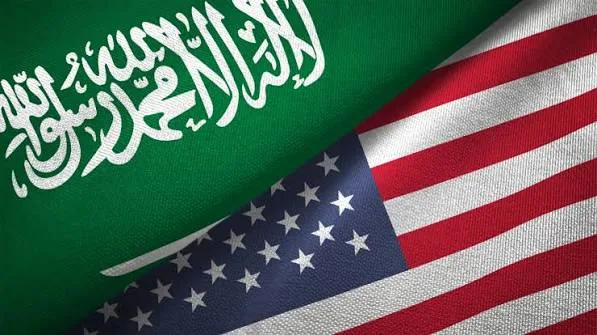
The US state department has ordered some diplomats and the families of US government employees to leave Saudi Arabia, citing the safety and security of personnel as its highest priority. The decision comes as the Gulf kingdom faces a barrage of near-daily attacks from the Iranian-supported Houthis in Yemen.
The state department spokesperson, Tommy Pigott, highlighted attacks on 'civilian airports and other critical infrastructure' by the Houthis as the reason for the drawdown. The order covers the US embassy in Riyadh and its satellite consulates, which have been operating with a reduced staff since the start of the US war on Iran.
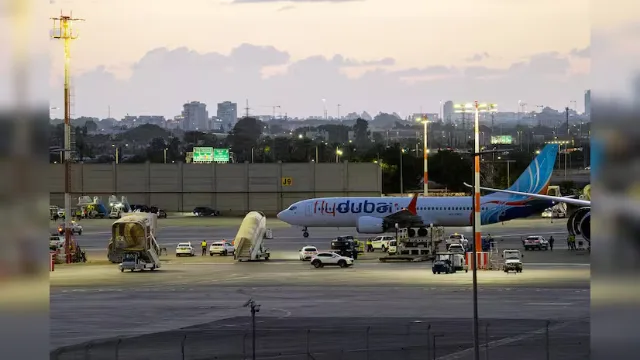
On Wednesday evening, at least three people were killed in attacks on King Fahad international airport in Dammam and an oil facility in the country's south-east. One Saudi resident was killed in the airport attack, while eight people were injured and the airport suffered material damage. Falling debris from the successful interception of a drone targeting the oil facility also killed two people and injured a further two.
The attacks are part of a recent escalation in the war between Saudi Arabia and the Houthis. The militant group has targeted airports and oil facilities in its recent wave of missile and projectile strikes on the kingdom. The US has previously ordered non-essential staff to leave the Gulf ahead of the start of its war against Iran in late February.
Reports have also emerged of similar withdrawals in the UAE, Jordan, Qatar, and Bahrain, although the state department has described these as 'inaccurate'. The US military has been quietly scaling back its presence at bases across the Middle East in recent days, according to NBC.
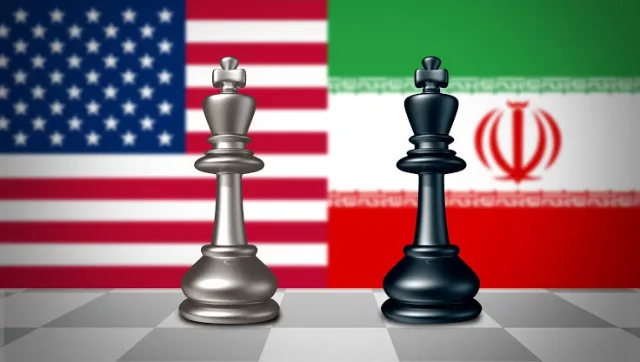
The withdrawal of staff from the region comes amid reports that the US is developing plans to restart strikes on Iran after the midterm elections. The New York Times reported that the US and Israel have developed plans for a 'short but intensive operation' against Iran, although President Trump has publicly stated that he does not intend to restart the war before the 3 November elections.
The situation in the region remains volatile, with the US and its allies seeking to counter the growing threat from the Houthis. The US state department's decision to order diplomatic staff to leave Saudi Arabia reflects the ongoing concerns about the safety and security of personnel in the region.
Background
The conflict between Saudi Arabia and the Houthis has been ongoing for several years, with the US providing military support to the Saudi-led coalition. The war has resulted in significant humanitarian suffering, with thousands of civilians killed or injured. The US has faced criticism for its role in the conflict, with many arguing that its support for the Saudi-led coalition has exacerbated the humanitarian crisis.
Regional Implications
The withdrawal of US diplomatic staff from Saudi Arabia has significant implications for the region. It reflects the ongoing concerns about the safety and security of personnel in the region and the growing threat from the Houthis. The US and its allies must carefully consider their next steps in the region, balancing the need to counter the threat from the Houthis with the need to avoid exacerbating the humanitarian crisis.
The US state department's decision to order diplomatic staff to leave Saudi Arabia is a significant development in the region. It highlights the ongoing concerns about the safety and security of personnel in the region and the growing threat from the Houthis. As the situation in the region continues to evolve, it is likely that the US and its allies will face significant challenges in their efforts to counter the threat from the Houthis and promote stability in the region.