SAN FRANCISCO — Uber Technologies plans to eliminate about 3,300 jobs, or 10 per cent of its global workforce, in its largest round of layoffs since the Covid-19 pandemic as the ride-hailing company restructures operations and redirects resources towards growth and autonomous vehicles.
Chief Executive Dara Khosrowshahi announced the cuts in a message to employees on Wednesday, saying rapid expansion over the past five years had left the company with too many layers of management, overlapping teams and fragmented responsibilities. Uber said employees whose roles are affected have been notified, except where local labour rules require a separate process.
The restructuring will reduce Uber’s number of managers by 20 per cent, although the company has not said how many managers will lose their jobs. Some managers will move into individual-contributor positions, while the cuts will also affect non-managerial employees.
Uber is targeting organisational layers that it says have slowed decision-making. The number of employees seven or more reporting levels below the chief executive will be reduced by 20 per cent, while teams consisting of only one or two employees reporting to a manager will be cut by nearly half.
The company will also combine several business and technology functions. Its three delivery operations covering restaurants, retail and direct delivery will be brought under unified leadership, while its core services engineering and science teams will be combined.
Khosrowshahi said the changes were intended to make Uber’s organisation simpler and faster while creating room to increase investment in areas the company considers strategically important.
The cuts come despite continued growth in Uber’s business. The company has nearly tripled its top line over the past five years, according to Khosrowshahi, but he said that expansion had also produced additional management layers and more coordination between teams.
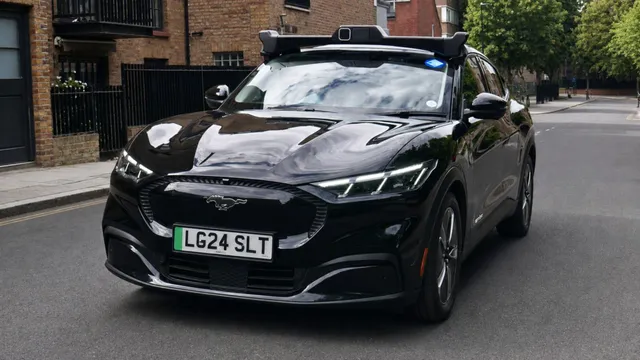
The restructuring is closely tied to Uber’s effort to prepare for a transportation market in which autonomous vehicles could alter the economics of ride-hailing. The company plans to invest more than $10 billion in robotaxi partnerships and related initiatives in the coming years, backing companies developing autonomous-driving technology and seeking to establish its platform as a marketplace for driverless rides.
Uber faces growing competition from autonomous-vehicle operators including Waymo and Tesla. Waymo already operates some robotaxi services through Uber’s platform in Austin and Atlanta, while expanding its own services into additional markets. Tesla is also pursuing its own robotaxi strategy.
The shift towards autonomous vehicles could eventually change the type of workforce Uber needs. Adam Ballantyne, an analyst at shareholder Cambiar Investors, said the expansion of autonomous technology would require a different organisational structure from one built around services involving human drivers.
The company is also consolidating its workforce geographically. Uber plans to concentrate global teams in major hubs including New York and San Francisco, with regional, country and technology functions based in designated locations.
At the same time, the company is sharply reducing fully remote work. Only about 1 per cent of employees will be permitted to work entirely remotely, while Uber will continue its policy requiring most employees to work from an office at least three days a week.
The layoffs are the largest at Uber since May 2020, when the pandemic caused demand for rides to collapse and the company eliminated about 6,700 jobs, nearly a quarter of its workforce at the time. Uber had approximately 34,000 employees worldwide at the end of 2025.
The latest cuts also come as Uber contends with pressure in its delivery business. Competitors such as DoorDash and Instacart have intensified competition in food and local delivery, prompting Uber to pursue expansion and acquisitions to strengthen its position. The company agreed to a $14.8 billion acquisition of Delivery Hero’s Foodpanda business and related assets in 2025.
Uber’s shares rose nearly 2 per cent after the restructuring was announced, although the stock had been down roughly 8 per cent for the year amid investor concerns about competition and the costs of developing autonomous-vehicle capabilities.
Khosrowshahi said the savings generated by the restructuring would be reinvested in growth, innovation and Uber’s autonomous-vehicle ambitions rather than treated simply as a reduction in expenses. The company did not provide a detailed estimate of the savings or specify how much would be allocated to each investment area.