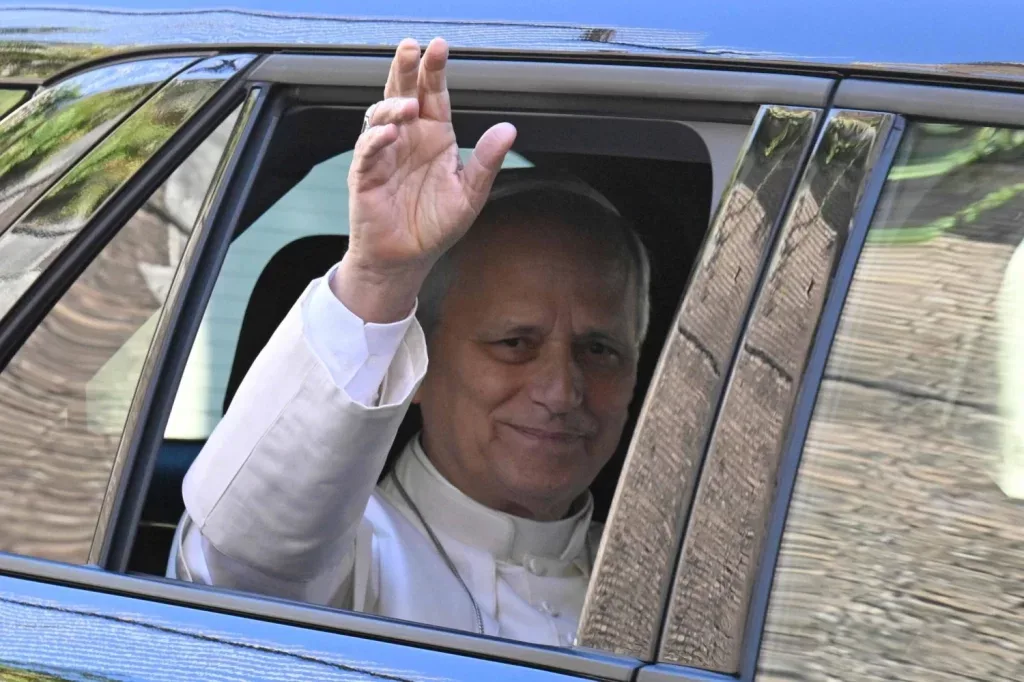
Pope Leo XIV has been diagnosed with lung cancer after undergoing surgery to remove the lower lobe of his right lung, the Vatican has confirmed, raising fresh questions about the health of the leader of the Roman Catholic Church as he continues his recovery in Rome.
The 71-year-old pontiff underwent the operation at Rome’s Gemelli Hospital on October 13 after doctors discovered a small nodule in his lung during a medical examination. Laboratory analysis of tissue removed during surgery confirmed lung adenocarcinoma, a common form of lung cancer.
The Vatican said the procedure lasted approximately 90 minutes and was completed successfully, without complications. The pope spent about three hours in the operating theatre before returning to his hospital room.
The diagnosis had been suspected following preoperative examinations and was confirmed through an analysis of the tissue during the operation.
Recovery Progresses After Surgery
Pope Leo’s medical team reported that he was recovering as expected following the procedure. Initial updates indicated that he had regained normal mobility, resumed eating and begun walking during his hospital stay.
His doctors have continued monitoring his condition through blood tests, chest X-rays and postoperative examinations. The results reported so far have been encouraging, although the full implications of the diagnosis remain dependent on further medical assessment.
The Vatican has not provided a definitive prognosis. Additional testing is needed to establish the precise characteristics of the cancer and determine whether it has spread beyond the affected portion of the lung. Those findings will help doctors decide whether further treatment is necessary.
The successful operation is an important development, but it does not, by itself, establish that the cancer has been completely eliminated or that no additional treatment will be required.
What Is Lung Adenocarcinoma?
Lung adenocarcinoma is the most common type of lung cancer. It develops in cells that line the lungs and is classified as a form of non-small-cell lung cancer.
Its outlook varies considerably depending on factors such as the stage at diagnosis, whether the disease has spread and the patient's overall health. Surgery can be an effective treatment when a tumour is localised and can be removed, but decisions about further care depend on the results of pathological tests and clinical evaluation.
In Pope Leo’s case, the Vatican has said the lung nodule was detected during medical examinations before surgery. However, it has not publicly disclosed sufficient clinical details to establish the stage of the disease or offer a reliable assessment of his long-term prognosis.
Papal Duties Continue During Recovery
Despite his hospitalisation, Pope Leo has continued some of his responsibilities. Vatican updates indicated that he resumed administrative work and celebrated Mass during his recovery.
His medical condition has nevertheless required adjustments to his schedule. Public audiences were cancelled through October 20 as he recuperated, while attention turned to whether he would be able to maintain his planned international commitments.
A pastoral visit to South America scheduled for November remains an important point on the Vatican’s calendar. The trip is expected to include Peru, Uruguay and Argentina, although his medical team’s assessment will be central to any decision about travel.
The Vatican has not indicated that the diagnosis has triggered a change in the Church’s leadership arrangements. The pope continues to hold office while receiving medical care.
A Rare Public Disclosure of Papal Health
The announcement has drawn attention because detailed information about the health of a sitting pope is not routinely made public. In this case, the Vatican disclosed the discovery of the lung nodule before surgery and subsequently provided information about the procedure and diagnosis.
Pope Leo had told worshippers that doctors had identified the nodule and recommended its removal. He also thanked those who had offered prayers and support.
The disclosure has allowed the Vatican to provide updates on his condition while avoiding speculation about medical details that have not been confirmed.
For now, the focus remains on recovery and the results of further examinations. The successful surgery and encouraging postoperative reports offer grounds for cautious optimism, but the longer-term outlook will depend on the extent of the cancer and whether additional treatment is required.
The coming days are expected to provide a clearer picture of the pontiff’s recovery and the implications for his public duties. Until the remaining medical findings are available, conclusions about his prognosis would be premature.
Tighten the article for publicationRemove repeated medical details