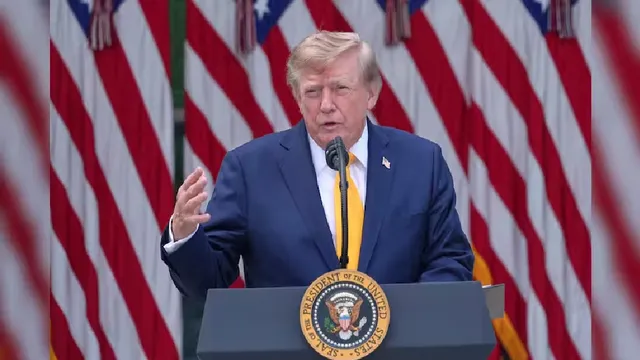
US Vice-President JD Vance has blamed immigration and what he describes as failures of assimilation for the violence sweeping France, using footage of the burning town hall in Limoges to argue that European governments have ignored the consequences of their immigration policies.
In a post on X on Saturday, October 17, Vance accused Western liberals of importing people from the developing world in the name of diversity and compassion while neglecting questions of cultural compatibility and integration. He expressed hope that France would end the violence before more historic buildings were destroyed.
Vance also turned the unrest towards American domestic politics, urging US voters to pay attention to events in France and suggesting that similar consequences could follow from policies advocated by Democrats.
His intervention transforms a French crisis into a broader political argument over immigration, national identity and the limits of multiculturalism.
From a French protest to an American political message
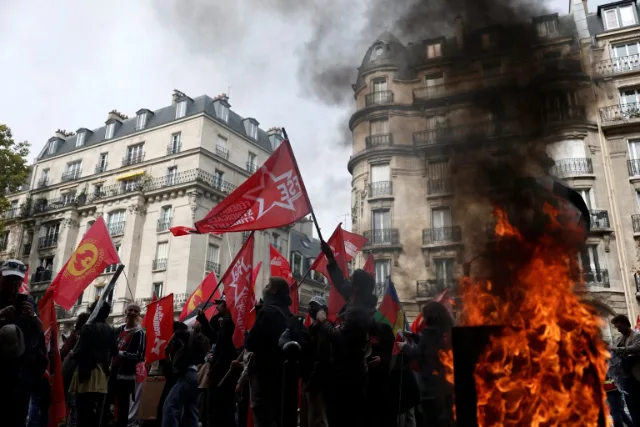
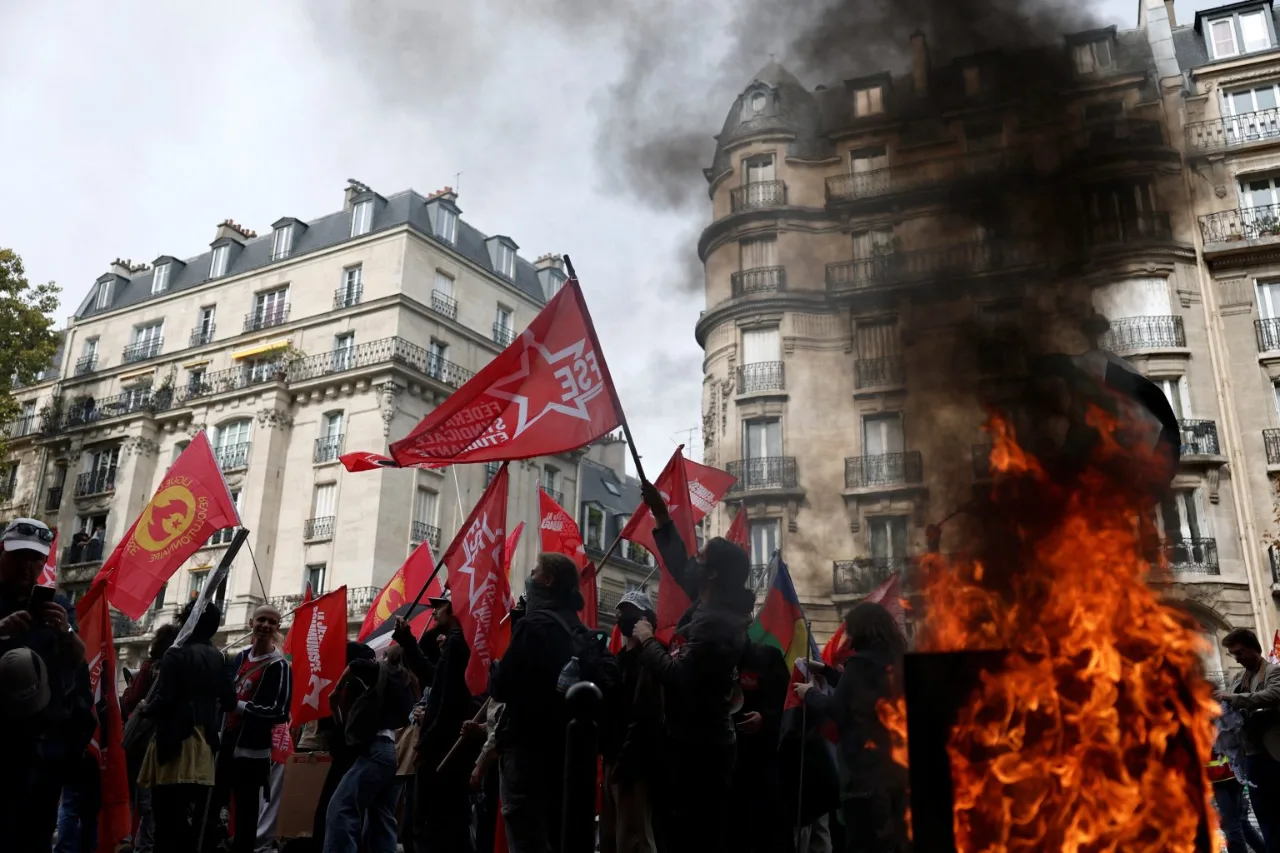
The immediate backdrop was the destruction of Limoges town hall, a historic building inaugurated in 1883, after violence erupted during nationwide demonstrations. The protests brought together students, trade unionists and other demonstrators angry about rising living costs, deteriorating public services and conditions in schools.
Although much of the mobilisation was peaceful, groups attacked public buildings, looted shops and clashed with police in several cities. The Limoges fire became one of the most striking images of the unrest.
Vance shared footage of the burning building but offered no specific evidence establishing that immigration caused the arson or the wider violence. His comments instead presented the events as confirmation of a broader argument he has repeatedly made about European immigration policies.
That distinction matters. France’s demonstrations have emerged amid economic pressures and dissatisfaction with public services. Establishing why particular individuals committed acts of violence requires evidence about those individuals and their actions, rather than conclusions drawn from the scale of the unrest alone.
Vance’s wider argument on Europe
The vice-president has repeatedly criticised European governments over immigration, free speech and national identity. His February 2025 speech at the Munich Security Conference drew particular attention for arguing that Europe’s internal political challenges posed a greater threat than some of the external dangers confronting the continent.
His latest comments follow the same general approach: linking domestic disorder to political decisions about immigration and integration, while presenting the European experience as a warning to Americans.
The argument resonates with conservative movements that believe immigration policy must account not only for economic needs and humanitarian obligations but also for social cohesion, integration and shared civic expectations.
Critics of this position argue that attributing unrest to immigration without specific evidence risks conflating unrelated issues and stigmatising entire communities. They also point to economic inequality, pressure on public services and political alienation as factors that can contribute to social instability.
The central question is not whether governments should debate integration policies, but whether particular claims about the causes of violence are supported by evidence.
France’s political crisis remains unresolved
The French government faces the immediate task of restoring order, investigating attacks and protecting public institutions while responding to legitimate demands over living standards and education.
The destruction in Limoges has intensified the political debate, but it does not establish a single explanation for the unrest. The protests involve diverse groups with different grievances, and those responsible for arson and looting should be distinguished from peaceful demonstrators.
For Vance, the episode offers an opportunity to reinforce his message on immigration ahead of the next phase of US political competition. By connecting French unrest to American policy debates, he has made the crisis part of a wider transatlantic argument about borders, integration and national identity.
Whether that argument persuades voters will depend partly on how convincingly its claims can be supported. The burning of a historic building is a dramatic image, but an image alone cannot establish the causes of a complex social crisis.